Shockwave Therapy in San Mateo: What It Is, How It Works, and Who It Helps
If persistent tendon, heel, shoulder, or muscle pain is keeping you from the activities you enjoy, you may be researching shockwave therapy San Mateo as a noninvasive option. Extracorporeal shockwave therapy uses targeted acoustic waves to stimulate a response in specific areas of the body, and it may be considered as part of a broader, individualized care plan. At Body in Motion Chiropractic, the goal is not to chase a quick fix—it is to understand what is contributing to your discomfort and help you move with greater confidence.
Shockwave therapy is not appropriate for every person or every type of pain. A careful evaluation is the best place to start, especially when symptoms have lasted for weeks or months, are affecting daily life, or have not improved with self-care.
What Is Extracorporeal Shockwave Therapy?
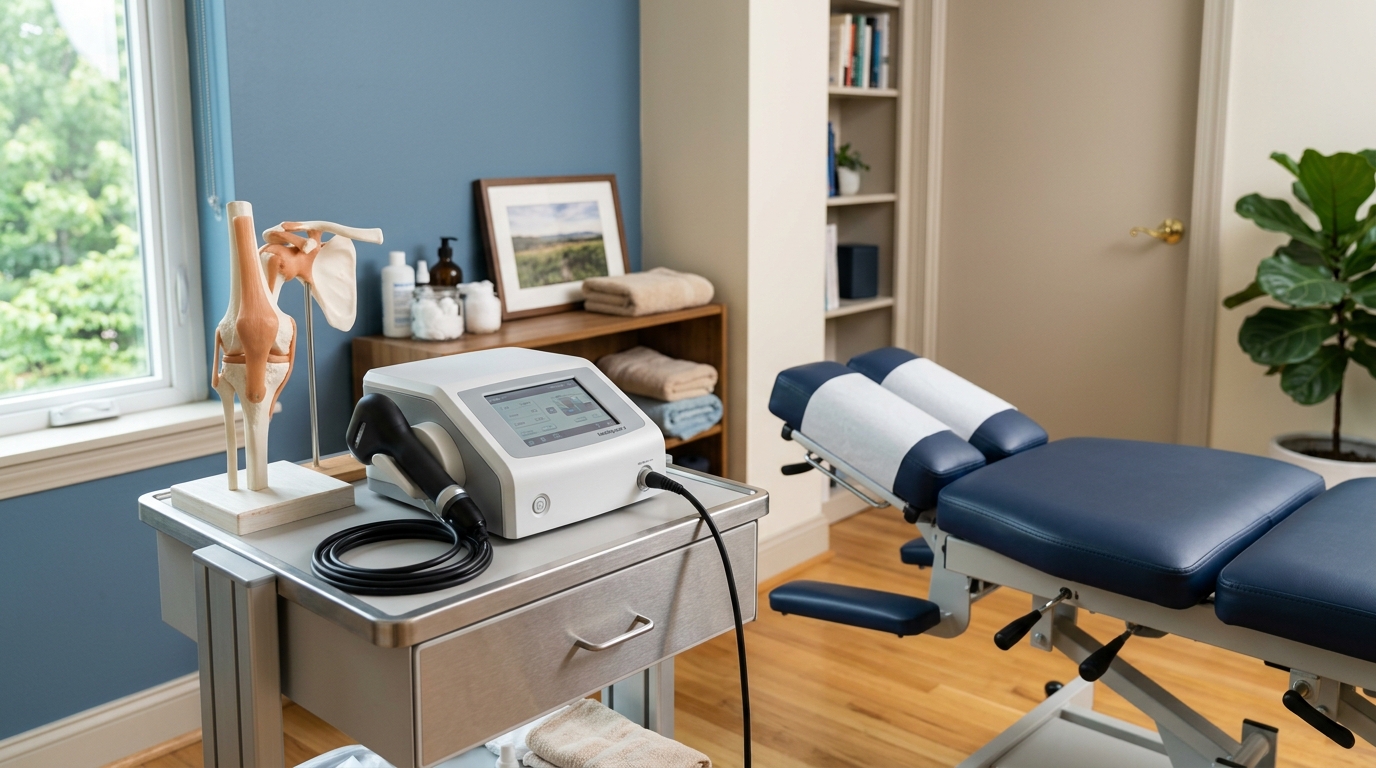
Despite its name, extracorporeal shockwave therapy does not involve electrical shocks or surgery. “Extracorporeal” simply means the treatment is delivered from outside the body. A handheld device sends controlled acoustic waves through the skin toward the targeted tissue.
These waves are mechanical sound-energy pulses. During treatment, patients may feel tapping, pressure, or brief discomfort in the area being treated. Settings can be adjusted based on the location, sensitivity, and clinical goals, and treatment sessions are typically brief.
This approach is designed to be noninvasive: there are no incisions, injections, or recovery from anesthesia. That does not make it a one-size-fits-all solution, but it can be a useful option to discuss when appropriate.
How Acoustic Waves May Support the Healing Response
Persistent musculoskeletal pain can be complicated. A tendon, muscle, or connective-tissue structure may have been overloaded repeatedly, may not be tolerating a particular movement well, or may be affected by surrounding joint mechanics. Acoustic waves are thought to create a controlled mechanical stimulus in the targeted area.
Research and clinical practice suggest this stimulus may support local circulation and the body’s natural tissue-remodeling processes. It may also influence how pain signals are perceived in the treated area. Results vary, however, and shockwave therapy does not “repair” every injury or replace a thoughtful rehabilitation plan.
At Body in Motion Chiropractic, shockwave therapy may be paired with hands-on chiropractic care, soft-tissue work, mobility guidance, and progressive movement strategies when clinically appropriate. The combination matters because reducing discomfort is only one part of the conversation; improving how an area moves and handles everyday demands is often just as important.
Conditions That May Be Considered for Shockwave Therapy San Mateo
Shockwave therapy is often discussed for chronic or stubborn soft-tissue concerns, particularly when symptoms have persisted despite rest, activity modification, or other conservative measures. Depending on the evaluation, it may be considered for conditions such as:
- Plantar fasciitis or ongoing heel pain
- Achilles tendinopathy
- Tennis elbow or golfer’s elbow
- Patellar tendinopathy, sometimes called jumper’s knee
- Shoulder tendon irritation or calcific tendinopathy
- Hip-area tendon pain, including some cases of greater trochanteric pain syndrome
- Other localized muscle or tendon complaints
A diagnosis alone does not determine whether treatment is a good fit. The exact location of symptoms, how long they have been present, your health history, your activity level, and the way you respond to examination all help guide the decision.
Who May Be a Candidate?
You may be a candidate if you have localized musculoskeletal pain that has lingered, especially if it appears related to a tendon or soft-tissue issue and has not fully responded to initial conservative care. Some people seek care because running, walking, lifting, working at a desk, or even getting out of bed has become more difficult than it should be. That is a reasonable reason to ask questions—not a reason to assume one treatment is the answer.
A consultation at Body in Motion Chiropractic can help clarify whether shockwave therapy belongs in your plan. The evaluation may include a conversation about your symptoms and goals, an assessment of movement and joint function, and hands-on examination of the affected area. When symptoms suggest a condition that needs medical imaging, specialist evaluation, or urgent care, appropriate referral is the right next step.
When Shockwave Therapy May Not Be Appropriate
Safety comes first. Shockwave therapy may not be recommended for everyone, including people who are pregnant, have certain bleeding disorders, use specific blood-thinning medications, have an active infection or open wound in the treatment area, have a known tumor at the site, or have reduced sensation that could affect safe treatment.
It may also be unsuitable when pain could be caused by a fracture, acute tear, serious nerve involvement, inflammatory disease flare, or another condition requiring different medical care. Children and adolescents with open growth plates require special consideration as well. This is why an online description—even a very thorough one—cannot replace an individual assessment.
Why an Individualized Plan Matters
Two people can both say, “My heel hurts,” yet have very different underlying contributors. One may be dealing with plantar fascia irritation after a sudden increase in walking. Another may have calf tightness, limited ankle mobility, footwear issues, or training demands that are exceeding what the tissue can currently tolerate. The same principle applies to shoulders, elbows, hips, and knees.
Body in Motion Chiropractic takes a hands-on approach that looks beyond the painful spot. Chiropractic care and soft-tissue techniques may be used to address joint mobility, muscular tension, and movement restrictions when indicated. From there, practical recommendations may include activity modification, mobility work, strengthening, or gradual return-to-activity guidance. Shockwave therapy, when appropriate, is one tool within that larger plan.
What to Expect From the Process
There is no universal number of sessions or guaranteed timeline. Some patients notice a change in symptoms early, while others need more time, and some may not be ideal candidates for this approach. Your response should be monitored throughout care, with the plan adjusted based on meaningful changes in pain, function, and tolerance for activity.
You may be encouraged to stay active within comfortable limits rather than completely shutting down movement. At the same time, it is important to follow individualized guidance about exercise, training, and temporary activity modifications. More is not always better; the right amount of load is part of the treatment conversation.
FAQ
Does shockwave therapy hurt?
Sensation varies by person and treatment area. Many people describe a tapping or pressure-like feeling, with possible short-term discomfort during treatment. Your provider can adjust the intensity to support a tolerable experience.
Is shockwave therapy the same as electrical stimulation?
No. Shockwave therapy uses acoustic waves delivered by a handheld device. Electrical stimulation uses electrical current and is a different modality.
How long does a shockwave therapy session take?
The treatment portion is often relatively short, though the full visit may also include reassessment, hands-on care, or guided exercises. The exact timing depends on your needs and treatment plan.
Can shockwave therapy replace chiropractic care or exercise?
Not necessarily. For many musculoskeletal concerns, the most appropriate plan may include several elements, such as hands-on care, mobility work, strength and load-management strategies, and targeted treatment when indicated.
When should I seek urgent medical attention for pain?
Seek prompt medical evaluation for severe or rapidly worsening pain, a significant traumatic injury, inability to bear weight, marked swelling or deformity, fever, unexplained weight loss, new weakness or numbness, or changes in bowel or bladder function. These symptoms may require care beyond a conservative musculoskeletal treatment plan.
If you are considering shockwave therapy San Mateo for persistent musculoskeletal pain, schedule a consultation with Body in Motion Chiropractic. A personalized evaluation can help determine whether this noninvasive option, along with hands-on chiropractic and soft-tissue care, fits your needs and goals.